|
10 Broad Street, Riverton, NJ 08077
 |


|
|
10 Broad Street, Riverton, NJ 08077
|
|
| Central Air Anywhere! |

Heating • Air Conditioning • Heating Oil
|
856-829-4985 856-663-2010 |
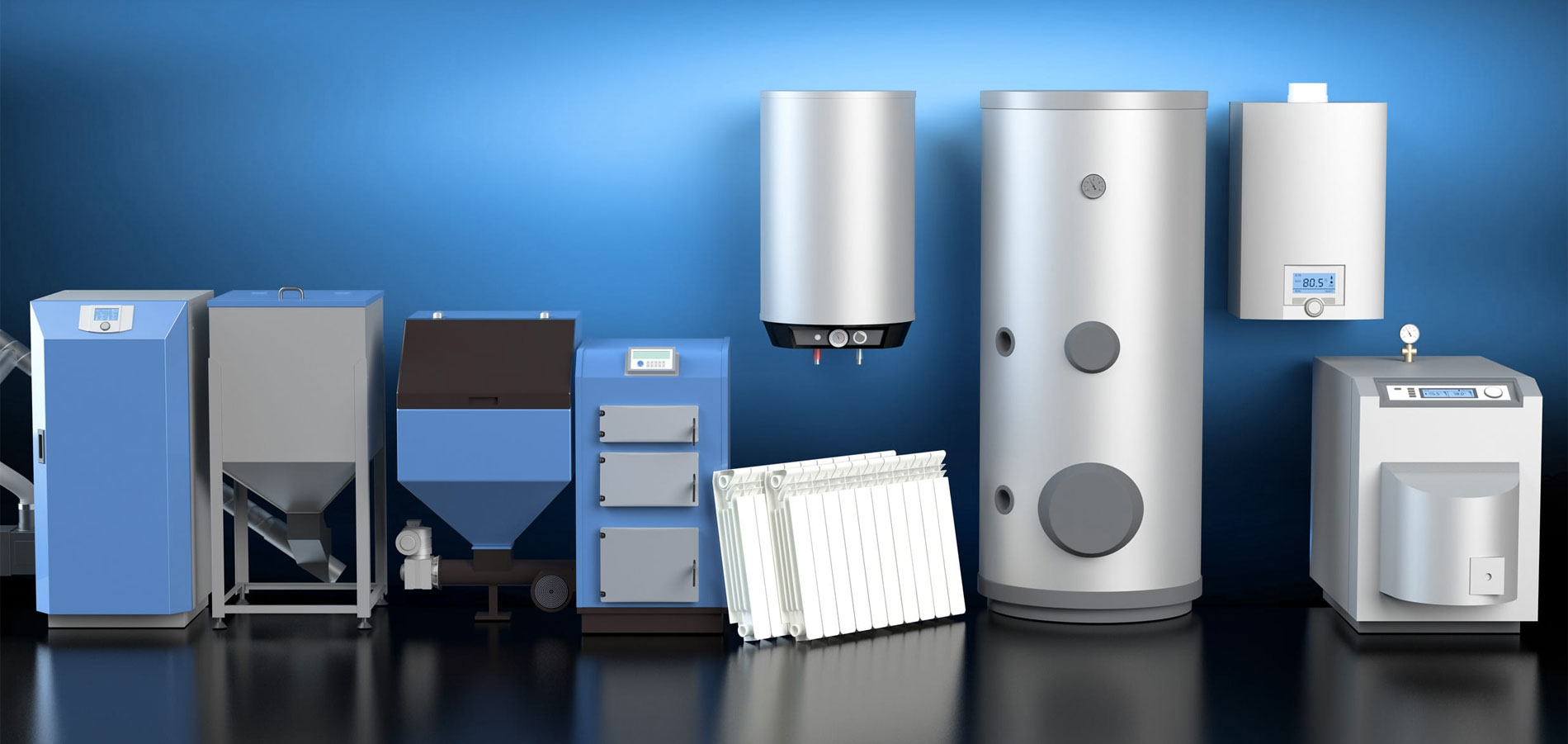
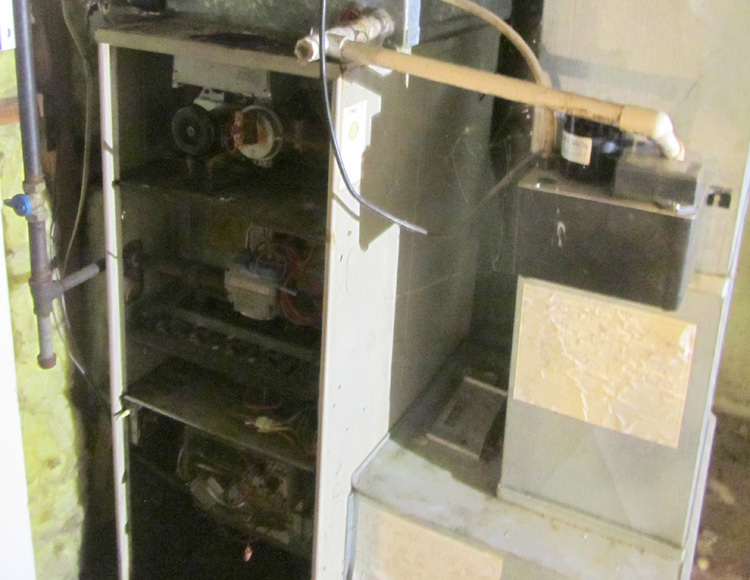
It's a terrible feeling to wake up on a cold winter morning and realize that your heater won't turn on, or is not heating your home as well as it used to. There are many things that can go wrong with your South Jersey furnace or boiler to prevent it from working properly. Sometimes the heater may need nothing more than a good cleaning or slight adjustment. Other times it may require more extensive repairs. And still other times you may need an entirely new heating system if your current heater is beyond repair or simply too old. But whatever your heater needs, you can trust the knowledgeable South Jersey heating contractors at Ward Heating, Air Conditioning and Heating Oil to get your South Jersey heating system running properly so you can enjoy a cozy, warm home once again.
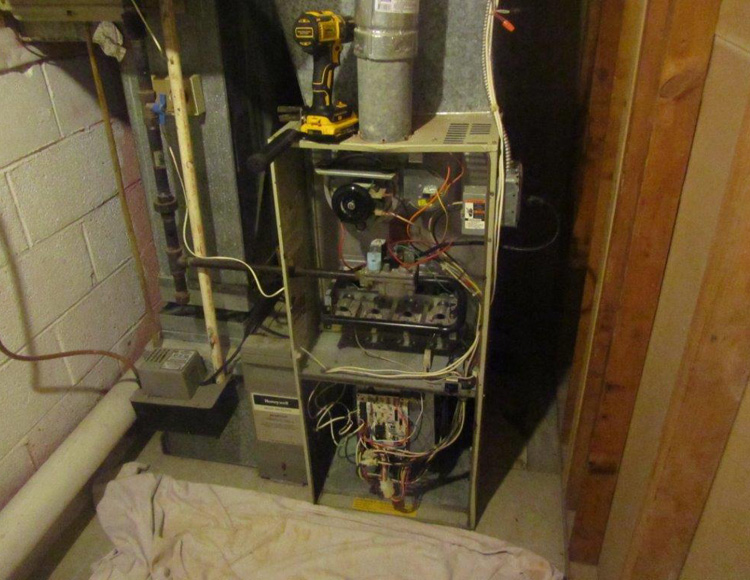
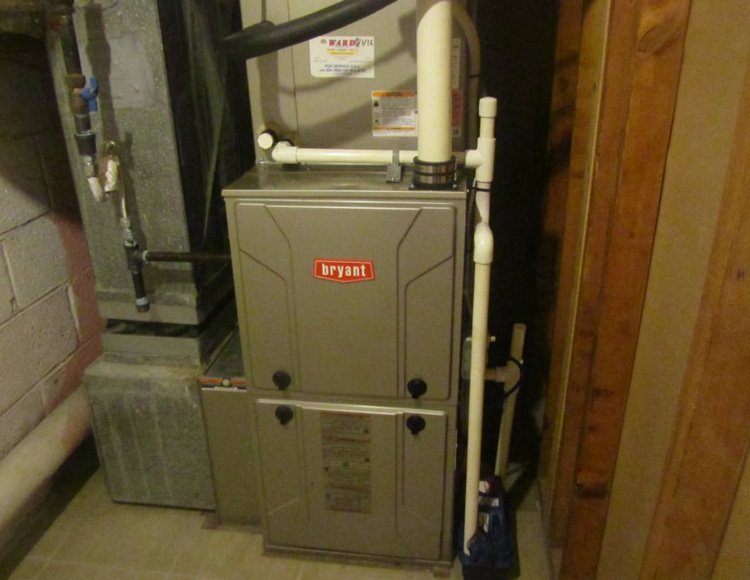
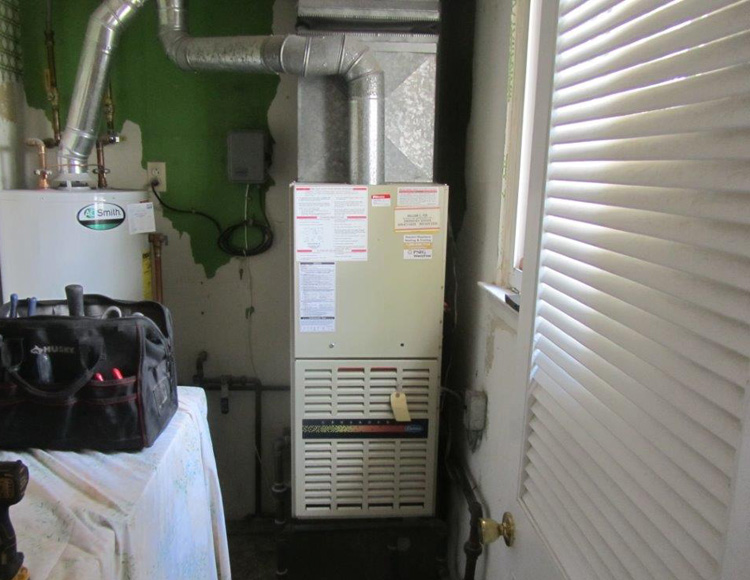
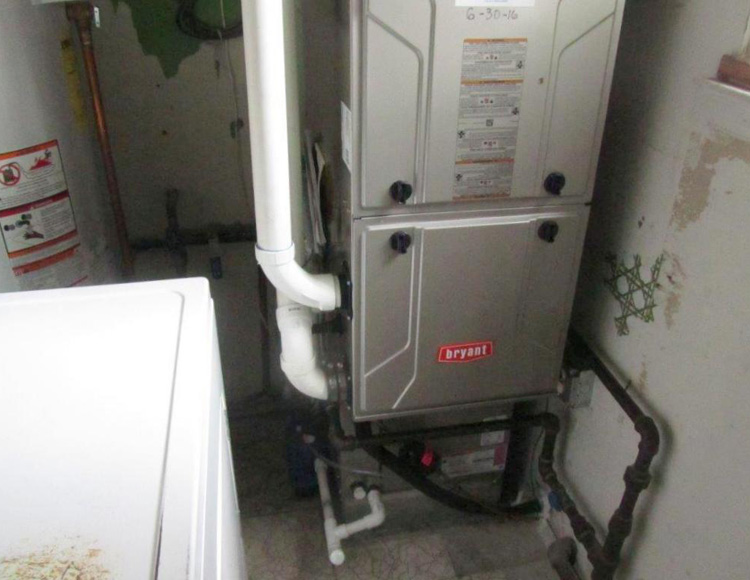
South Jersey homeowners and business owners have been relying on Ward Heating, Air Conditioning and Heating Oil since 1974. We service most makes and models of heaters, new and old, including oil and gas furnaces and boilers, as well as heat pumps. Our licensed technicians have the expertise and training to install, repair and service almost any make and model of heating system to keep your South Jersey heater running at its best.
Our South Jersey heating contractors are experts in diagnosing and repairing heating problems, heating system evaluations, efficiency upgrades, designing and installing new heating systems, hot water boilers, forced hot air furnaces, and ducted as well as ductless mini split systems.
Our South Jersey heating contractors have many years of on-the-job experience. They are highly trained, committed to customer satisfaction, and extremely knowledgeable in troubleshooting, repairing, replacing and installing heating systems in the South Jersey area.
Servicing your heater on a regular basis is the best way to protect your investment. We can help you avoid unexpected heater repair bills, reduce operating costs and maintain the highest efficiency from your heating system. Precision heating system tuneups are performed by our expert heater contractors in South Jersey.
Call us to inspect your South Jersey heating system before trouble begins. Many times problems can be caught early and prevent a breakdown altogether. We can identify situations with your heater that may put you and your family at risk for carbon monoxide poisoning. It's money well spent.
When South Jersey temperatures turn chilly in fall and freezing in winter, there's nothing like the cozy feeling of coming home to a warm, comfortable house. Staying warm during the cold months is healthier, especially if you're recovering from an illness. It helps you sleep more soundly, which is also important to your health. Freezing temperatures can cause pipes to burst and leak, leading to expensive repairs due to water damage. If you're in Southern New Jersey, a skilled, experienced South Jersey heating contractor can ensure that your heater is working properly through regular maintenance, repairs, and even replacement of your heating system, if necessary.
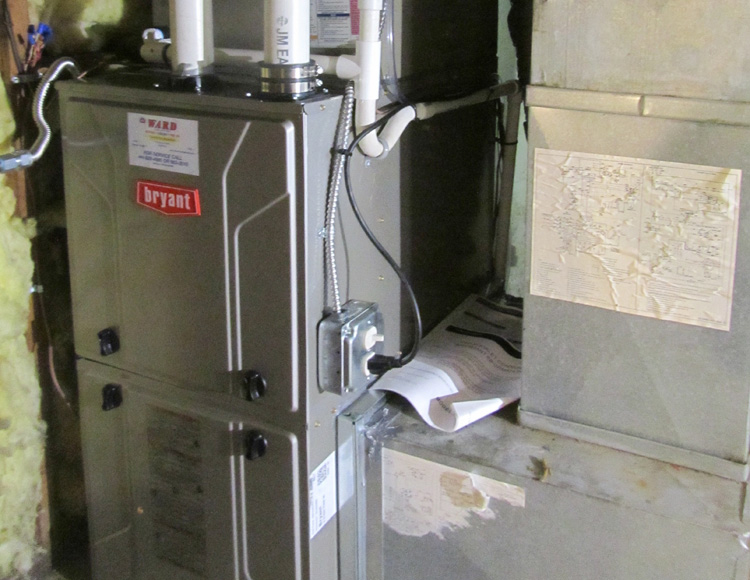
Gas and Oil-Fired Furnaces provide warm, even heat throughout your South Jersey home by circulating heat through the ducts. The heat is created by burning the fuel (gas or oil) inside your furnace (some furnaces use outside air to help burn the fuel; others use air from inside your home). When the fuel burns, the hot gases that are created go through curved metal tubing called a heat exchanger and then out of your home through a metal or plastic vent pipe. At the same time, the air that circulates through your ducts passes over the outside of the heat exchanger and takes on the heat from the hot metal. The warm air is then circulated through your home. By keeping combustion air and supply air separate, the heat exchanger allows the air in your home to be heated without contaminating it with the toxic by-products of combustion.
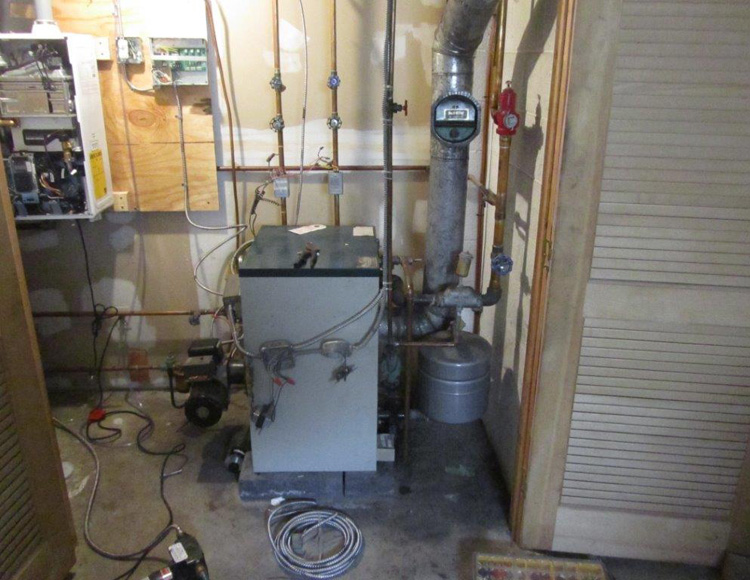
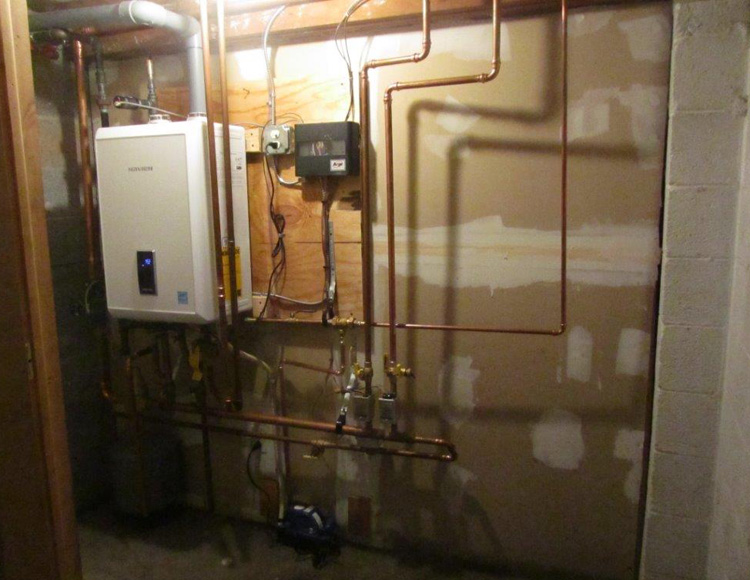
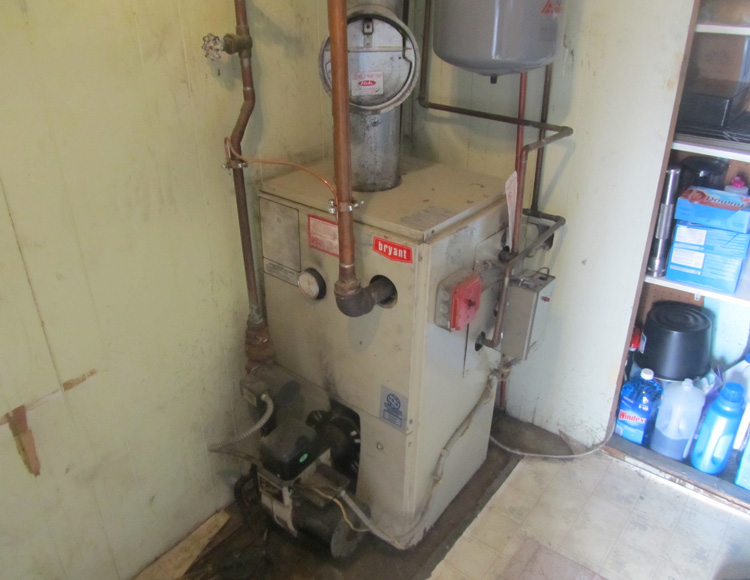
Boilers create heat the same way but instead of heating air they typically heat your South Jersey home by circulating steam or heated water through a system of pipes and baseboard or radiator-type heat exchangers.
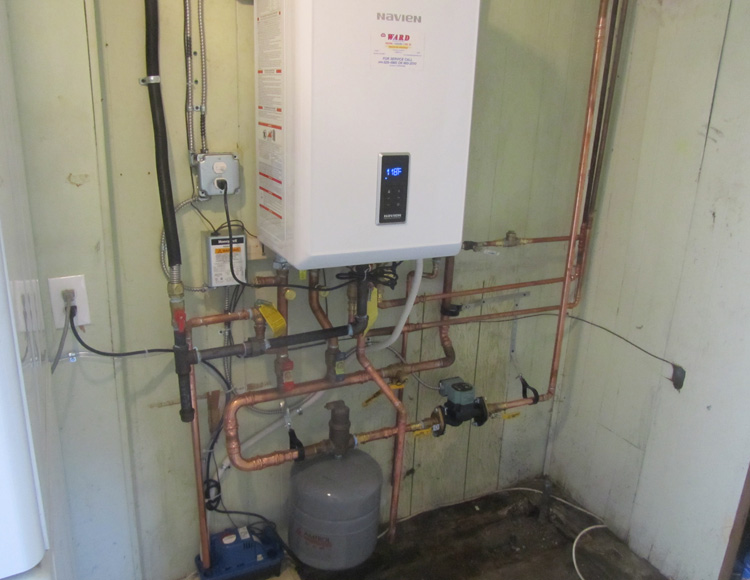
A furnace or boiler's efficiency rating, or AFUE (Annual Fuel Utilization Efficiency), tells you how efficient furnaces or boilers use fuel (gas or oil). Mid-efficiency furnaces or boilers, also known as non-condensing or induced draft units, offer efficiencies from 78% to about 84%. High-efficiency furnaces or boilers, also called condensing or sealed combustion furnaces, offer AFUE ratings from 90% to 97%. Usually, the higher the efficiency, the more expensive the equipment, but it will help lower your monthly utility bills. Therefore, your installation will give you a return on your investment. The same is true for servicing your system(s) annually. Annual heater cleanings and air conditioning tune-ups are vital for your heating system to run efficiently and save you money in the long run!
Heat Pumps use a small amount of energy to transfer heat between your South Jersey home and the outside air. There are several types of heat pumps that can create this exchange of cool/warm air. Traditional HVAC systems have separate air conditioning and heating units. Heat pumps are a single component that can either heat or cool your home or office.
Mini Split/Ductless Heat Pumps operate on the same principle as the standard heat pump but are ductless. The ductless heat pump is a smaller device capable of heating the home or office. It differs from the air heat pumps because the system contains many indoor units, or "splits". The outdoor unit routes refrigerant piping to each section. It does not process heated or cooled air through the standard duct system of a house. An indoor unit is placed in the space that it will be heating or cooling, and each indoor unit has a small fan that controls the airflow of that room. If your home or office doess not have ductwork, such as historical homes or commercial locations, ductless units are highly recommended.
Although Ductless Systems are efficient to heat and cool a building independently from traditional systems, some people use them as backup energy systems. Or sometimes the layout of your home or office has a "problem area" (this is common in split level homes) the need for a supplemental system in this area is necessary - a Ductless system is a perfect fit for this need. A reliable HVAC contractor who is knowledgeable on all heat pump options can advise you.
Read more information on Ductless Systems.
Today's Mitsubishi units are now capable of heating/cooling a room with outdoor temperatures below 0 degrees. Like all technology, heat pumps have come a long way! They are the perfect answer for a hot or cold area(s), guaranteed to cure any uneven distribution of comfort in problem areas!
If you're in need of South Jersey heating services, including heater repair and maintenance of your furnace or boiler, contact the most trusted heating contractors in South Jersey - Ward Heating, Air Conditioning & Heating Oil. Call us at 856-829-4985 or 856-663-2010, or email us.


 T. Brooks Web Design, LLC